
Tolerance Kitchen
The Low Histamine Food List
Understand how histamine accumulates in food, and make more informed decisions about your diet.
How to use this list
More informed choices, not a restrictive diet
Histamine builds up in food due to a variety of factors, including freshness, growing conditions, storage and processing. Because of this, it's not possible to create a completely accurate list of foods to eat and to avoid. The same meal will have different histamine levels from one day to the next.
This guide sorts foods into three accumulation bands to help you make informed choices. Remember that individual tolerance levels vary, and a low histamine diet should be followed for a short period of time under the supervision of a qualified nutritional practitioner.

Before you start
Three things worth reading first
Start here
How Different Factors Fill Your Histamine Bucket
Learn how different factors add to your body's histamine load, and practical ways that you can manage your natural histamine capacity.
The histamine bucket →
Always remember
Why a Low Histamine Diet Shouldn't Be Long-Term
A low histamine diet is a short-term diagnostic tool. Understand the risks of long-term restriction and the path back to a broader diet.
Find out why →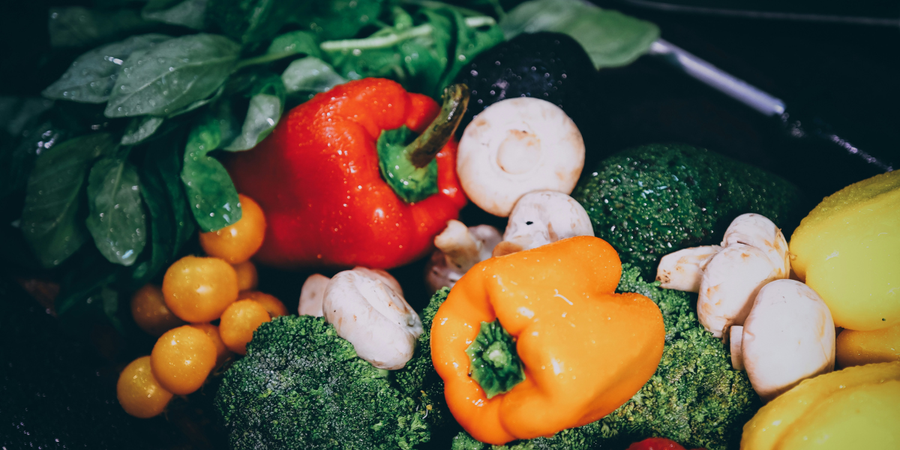
Natural support
How to Support Natural DAO Enzyme Production
How key nutrients and gut health may support your body's natural production of DAO, which is the enzyme that breaks down histamine in our gut.
Read the guide →The food list
Every food group, across all three bands
Search for a food or narrow to a single band. Links in each food group will take you to a Tolerance Kitchen deep dive on that group.
Low accumulation
These form the basis of a low histamine diet and are generally well tolerated when fresh and minimally processed. Freshness has a large impact, so eat everything as fresh as possible, or chill or freeze it to preserve freshness.
Moderate accumulation
These may be tolerated in small amounts depending on individual sensitivity. For some people with DAO deficiency it may be appropriate to take diamine oxidase supplements to help break down the histamine in these foods.
High accumulation
These are most likely to trigger reactions and are usually avoided on a low histamine diet. Many are labelled as gut health superfoods, which makes general advice online feel contradictory when you have histamine intolerance.
Rice, oats, spelt, corn, millet, quinoa, teff, wheat, buckwheat, sweet potato, white potato, yucca
Apples, pears, blackberries, raspberries, cherries, apricots, peaches, mangoes, and generally all fruits not listed as moderate or high
Papaya, strawberries
Citrus fruits (orange, lemon, lime, grapefruit), bananas, kiwi, pineapple
Red peppers, cucumber, carrots, peas, corn, broccoli, cauliflower, onions, courgettes, asparagus. Steam or microwave to retain vitamin C
Chilli pepper, aubergine, pumpkin and squash, spinach, tomato, courgette
Egg yolk, milk, lactose-free milk, ice cream, plant milks (soya, rice, oat, hemp, coconut)
Egg white, natural yoghurt, almond or hazelnut milk, soft cheeses (Havarti, Emmental), cashew-based vegan cheeses
Aged, matured and fermented cheeses (Brie, Cheddar, Parmesan, Stilton, Roquefort), goat and sheep cheese, cream, kefir, sour cream
All beans and pulses, including soybeans and lentils
Tofu (non-marinated), small amounts of soya protein or flour
Tempeh, miso, natto, sufu, fermented soy products
Very fresh or frozen white fish
Fresh or frozen oily fish (salmon, sardines, tuna), squid, octopus
Smoked fish, canned tuna, anchovies, sardines, mackerel, caviar, processed fish products
Fresh or frozen meat, turkey breast
Minced or vacuum-packed meats, mortadella, Iberian ham
Bacon, sausages, chorizo, ham, aged beef, offal (liver, foie gras)
Water, herbal teas (excluding black, red and green teas)
Coffee, fruit juices (apricot, orange, grapefruit, pineapple, tomato), green, black and red tea
Alcohol (wine, beer, champagne, spirits), kombucha, energy drinks
Vegetable oils, non-hydrogenated margarine, cocoa butter, coconut, olives (without anchovies)
Butter, ghee
Sesame paste, flax seeds, chia, poppy seeds, sesame seeds
Pumpkin and sunflower seeds
Almonds, cashews, peanuts, hazelnuts
Salt, pepper, herbs, spices, yeast
Honey, homemade mustard (without vinegar), apple cider vinegar, vanilla, cinnamon, cumin, nutmeg
Soy sauce, tamari, hot sauce, ketchup, Worcestershire sauce, Marmite, MSG, balsamic vinegar
Carob, fruit compotes and sorbets made with suitable fruits
Sweets, cakes, biscuits, crisps, sugar, syrup, citrus jams
Chocolate, cocoa, pre-cooked meals, packaged dishes, industrial pastries
No food group matches that search. That does not mean the food is safe or unsafe, only that it is not named in this list.
"None listed" means no food in that group appears in that band in this guide. It is not a guarantee and it is not medical advice. Where a band needs a different deep dive, a second guide link sits inside that cell.
Take it with you
Download the guide to print at home
A PDF version you can print, stick on the fridge, or take on holiday with you.
Staying up to date with the science
Research into histamine content in food is constantly changing based on scientific and clinical evidence. Our list is open source and we welcome input from practitioners to ensure that this list stays up to date.